
In software development for EU-funded R&D, research projects create a particular kind of challenge. The data comes from very different worlds, the questions change as the science moves forward, and the work happens inside a consortium with public funding and public obligations. This is what we have learned as technology partner in Smart BioFert.
How software development for EU-Funded R&D projects drives Smart BioFert
Smart BioFert is developing smart biofertilisers adapted to drought, based on PGPR bacterial consortia that improve soil water retention, soil structure and nutrient uptake. The first phase focuses on cherry tomatoes.
The project is a collaboration between research, biotechnology, agricultural production and technology partners. It is backed by the Junta de Andalucía under the PlanD Sequía programme, co-funded at 85% by the European Regional Development Fund (ERDF), and runs from December 2024 to December 2026. Dempo is the consortium’s technology partner.
What the technology partner actually does
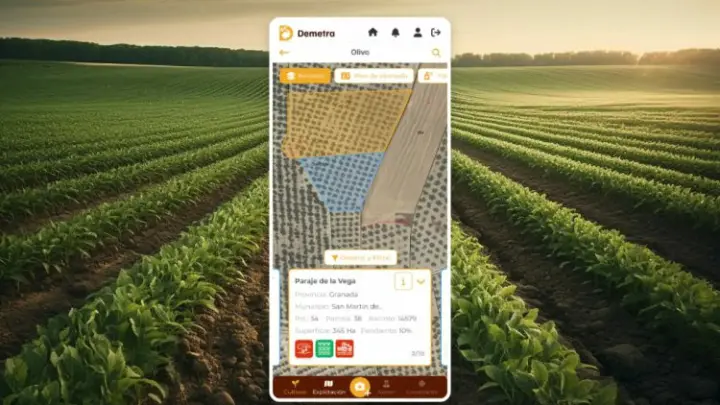
In an R&D project, the software is what allows the science to be measured, compared and trusted. In Smart BioFert, our role is to build the cloud platform that brings field sensors, climate data, laboratory analyses and technical observations together, and turns them into information researchers and growers can act on.
Data from very different worlds
A soil sensor produces a reading every few minutes. A laboratory produces a detailed analysis every few weeks. An agronomist produces notes when something looks wrong. Climate data arrives from yet another source, on yet another schedule.
The first engineering task is to make these sources comparable. That is why the platform is built around a single multiparameter database, accessible from anywhere, where every measurement keeps its context: where it was taken, when, how and by whom.
Design for questions that do not exist yet
In most commercial projects, requirements become clearer over time. In research, they often become more complex. New variables appear, new comparisons become interesting and new reports are needed as results come in.
We designed the platform as cloud-based microservices, so new data sources, analyses and reports can be added without rebuilding what already works. Here, flexibility is a core requirement.
Prioritising researcher adoption in software development for EU-Funded R&D projects
Researchers need to upload their own data and compare it with what is happening in the field. If that is hard, the data stays in spreadsheets and the platform loses its purpose.
Making the platform genuinely usable for researchers is what turns it into a shared digital ecosystem for the consortium.
Automate the analysis people repeat
Some analyses are run again and again: irrigation monitoring, comparisons between plots, periodic technical reports. Automating them saves time and, just as importantly, makes them consistent. Every partner sees the same numbers, calculated the same way.
Working inside a consortium
A consortium brings together organisations with different cultures, priorities and timelines. For the technology partner, that means clear documentation, shared milestones and regular communication, so every partner understands what the platform can do and what it needs from them.
Public funding comes with public obligations
Projects co-funded by the ERDF must make that funding visible. Websites, publications and communication materials typically need to show the European Union emblem and the corresponding funding statement, alongside the regional funder. The exact requirements are set by each programme, so it pays to check the guidance early and build it into every deliverable from the start.
Strategic engineering lessons from software development for EU-Funded R&D projects
- Keep the context with the data. A measurement without its context is hard to trust and impossible to compare.
- Build for change. In research, the questions evolve; the architecture has to evolve with them.
- Design for researchers. Adoption decides whether the platform is used at all.
- Automate repeated analysis. Consistency matters as much as speed.
- Plan compliance from day one. Build publicity and reporting obligations into every deliverable.
Smart BioFert runs until December 2026. We will share results when the consortium publishes them.